
Medication often comes in the form of a mood stabiliser, sometimes prescribed alongside an anti-depressant. Many people who live with bipolar don’t respond well to anti-depressants prescribed in isolation – they may also be prescribed a mood stabiliser and the two medications together may yield better results. People experiencing psychosis may also be prescribed anti-psychotic medication.


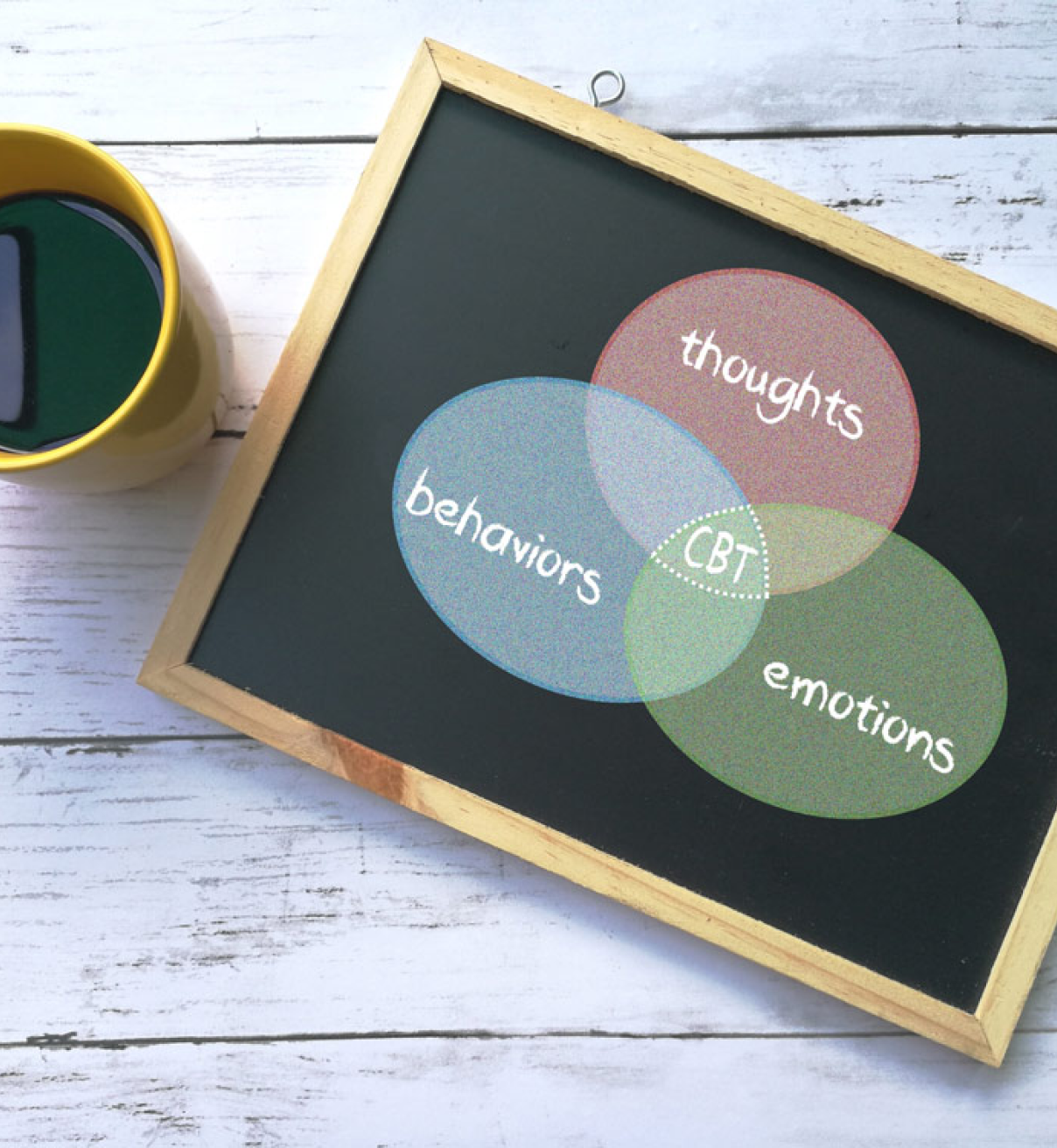
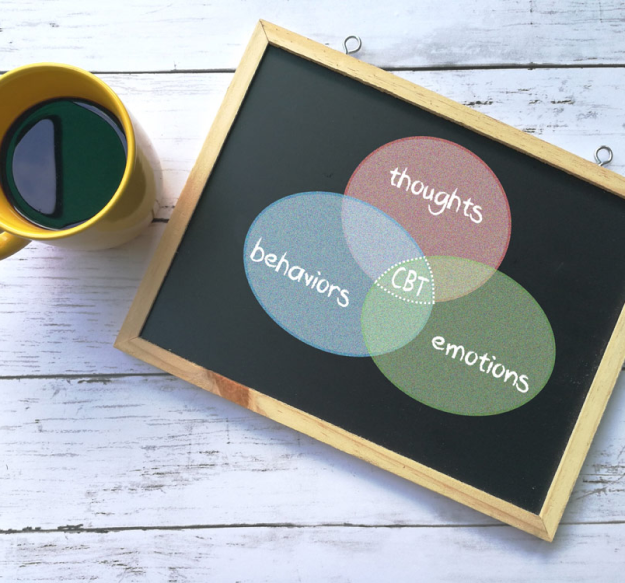
There are various therapies that can be used to treat bipolar, often alongside medication, with CBT being the most common. This is a form of talking therapy which aims to change the way you think and behave. CBT can enable you to deal with negative thoughts in a healthy way without impacting your mental health.
In addition to medication, support is available from a number of sources. GPs, psychiatrists and community psychiatric nurses are the main health professionals you may come in contact with.
Psychiatrist – specialist consultants in mental health, will usually discuss with you issues around medication and decide on the best types and doses for you. Good psychiatrists will work in partnership with you and take your feelings and wishes into account when making these decisions. If you are admitted to hospital, you will be under the care of a psychiatrist.
Community psychiatric nurse (CPN) – trained nurses specialising in mental health available to people with bipolar and other mental illnesses to provide additional support. Your CPN may visit you in your home or you may go to a centre. They will give you an opportunity to talk about how things are going, provide you with information on what is available and advise you on the management of your condition. If you have a CPN, they are often your first point of contact if you have any problems.
GP – will prescribe the medication you require, as directed by your psychiatrist, and will look after wider health issues including any side-effects you may be experiencing, as additional medication may be required. They are usually the person who will initially refer you to a psychiatrist when you are experiencing symptoms of bipolar.
"*" indicates required fields

On The Level, our bi-monthly e-magazine for people in Scotland living with bipolar, is packed full of articles, case studies, news and opportunities to take part in research. Why not sign up to receive it and join the caring, informed Bipolar Scotland community?